Understanding Sabong Games: A Deep Dive into Traditional Cockfighting
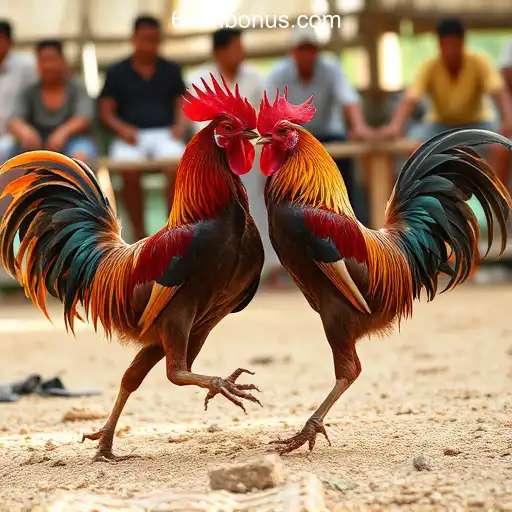
Sabong games, a traditional form of entertainment, hold a significant place in the cultural tapestry of various regions, particularly in Southeast Asia. Often referred to as cockfighting, this game involves the pitting of two roosters against each other, drawing both excitement and controversy. Enthusiasts see it as a traditional sport steeped in history, but others criticize it for ethical reasons.
The Historical Roots of Sabong Games
The history of sabong games dates back to ancient times, with records suggesting that cockfighting was practiced by various civilizations, including the Greeks, Romans, and Chinese. In Southeast Asia, particularly in the Philippines, sabong has been an integral part of the culture, often associated with community gatherings and celebrations.
Not just a sport, sabong games have historically been a form of entertainment that inspired social interaction and community bonding. As the game evolved over the centuries, it became more regulated, and in many places, integrated into local traditions and festivals.
The Mechanics of Sabong Games
Sabong games involve meticulously bred roosters, trained and conditioned to fight. The matches usually take place in a sabungan, or cockfighting arena, where spectators gather to place bets on the outcome of the fights. The rules of the game can vary, but it typically involves setting two roosters against each other until one is unable or unwilling to continue.
A significant part of the game is the role of the handlers, known as sabungeros, who prepare and condition the roosters for combat. Their expertise can greatly influence the outcome of matches, making it a test not just of the animals but of human skill and strategy.
The Cultural Impact of Sabong Games
Sabong games are more than just a sporting event; they are a cultural phenomenon. In the Philippines, sabong is deeply woven into the cultural fabric, often associated with traditions and local festivals. It's an activity that draws people of all ages and backgrounds, fostering a sense of camaraderie and communal participation.
Despite modern advancements and shifting public sentiments, sabong remains popular in certain circles, often seen as a way to preserve cultural heritage. In many rural areas, it serves as a significant source of income through the betting culture that surrounds it.
Regulation and Legal Aspects
Despite its deep cultural roots, sabong games are subject to rigorous legal and ethical scrutiny. In many countries, cockfighting faces strict regulations or outright bans due to animal cruelty concerns. However, in places where it is considered legal, such as certain regions in the Philippines, it is heavily regulated to ensure the safety and fair conduct of the matches.
Legal sabong events are often held under strict supervision, with measures in place to ensure compliance with legal standards. This includes the registration of roosters and handlers, adherence to welfare standards, and oversight by regulatory bodies. While this regulation aims to ensure the welfare of the animals and transparency in betting, controversies still arise over its ethical implications.
The Ethical Debate Surrounding Sabong
At the heart of the debate about sabong games lies the question of animal rights and ethical considerations. Critics argue that cockfighting is a cruel practice that subjects animals to harm and stress for human amusement. Animal rights organizations and activists have long campaigned against the practice, pushing for stricter enforcement of bans and regulations.
Conversely, proponents argue that sabong is a cultural tradition that should be preserved and respected. They contend that, with proper regulation, the welfare of the animals can be maintained, and the sport can continue to be a viable cultural activity.
Modern Adaptations and Online Platforms
As with many traditional activities, sabong has experienced a degree of modernization, partly through the emergence of online platforms. These platforms, sometimes under the umbrella of "66brl: Cassino Online Seguro e Premiado🍀," offer enthusiasts a digital space to partake in the activity in a regulated environment. By utilizing technology, these platforms aim to provide a safer and more controlled venue for fans to engage with sabong without the ethical concerns associated with live events.
Online sabong platforms allow individuals to place bets and observe matches virtually, often with additional features that enhance user engagement and interaction. These adaptations illustrate how traditional games can evolve to meet the demands and expectations of a modern audience.
Conclusion
Sabong games, with their storied history and cultural significance, remain a topic of both fascination and debate. While some view it as an essential cultural heritage that needs preservation, others see it as an outdated practice needing reform due to ethical concerns. As society evolves, so too does the perception and practice of sabong, with modern platforms attempting to bridge the gap between tradition and contemporary demands. Whether on digital platforms like "66brl: Cassino Online Seguro e Premiado🍀" or in traditional arenas, sabong games continue to captivate and engage, standing at the intersection of tradition, culture, and modernization.